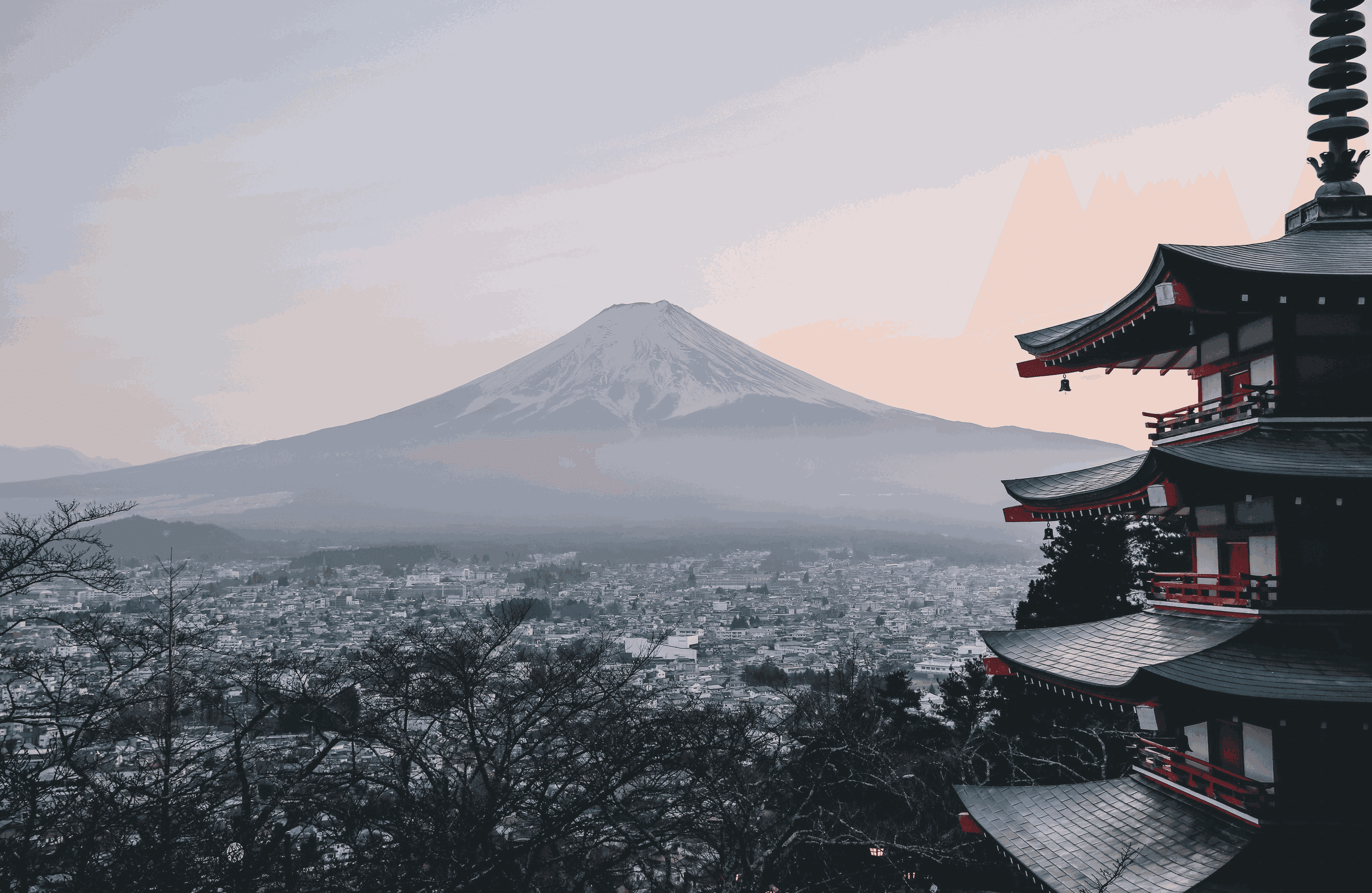
Traveling to Japan from Australia offers an incredible opportunity to explore a land of rich history, stunning landscapes, and vibrant culture. Whether you’re drawn to the bustling city life of Tokyo, the historic temples of Kyoto, or the serene beauty of Hokkaido, Japan has something for everyone. This comprehensive guide will help you plan your trip from Australia to Japan, covering everything from flight options to must-see destinations and travel tips.
1. Planning Your Trip
A. Best Time to Visit Japan
Japan is a year-round destination, with each season offering unique experiences:
- Spring (March to May): Famous for cherry blossoms, particularly in cities like Tokyo, Kyoto, and Osaka.
- Summer (June to August): Known for vibrant festivals and lush green landscapes, though it can be hot and humid.
- Autumn (September to November): Ideal for witnessing the stunning fall foliage in places like Kyoto and Nikko.
- Winter (December to February): Perfect for skiing in Hokkaido and enjoying hot springs in snowy settings.
B. Flight Options from Australia to Japan
Direct flights from Australia to Japan are available from major cities like Sydney, Melbourne, Brisbane, and Perth. Airlines such as Qantas, Japan Airlines, and All Nippon Airways (ANA) offer regular services. Flight durations range from 9 to 11 hours, depending on the departure city and destination in Japan.
2. Top Destinations in Japan
A. Tokyo
Tokyo, the bustling capital of Japan, is a must-visit destination. Key attractions include:
- Shibuya Crossing: One of the busiest pedestrian crossings in the world.
- Tokyo Tower and Skytree: Offering panoramic views of the city.
- Asakusa and Senso-ji Temple: Historic sites that provide a glimpse into Tokyo's past.
- Harajuku and Shinjuku: Known for shopping, dining, and vibrant nightlife.
B. Kyoto
Kyoto is the cultural heart of Japan, renowned for its well-preserved temples, traditional tea houses, and beautiful gardens:
- Fushimi Inari Shrine: Famous for its thousands of red torii gates.
- Kinkaku-ji (Golden Pavilion): A stunning Zen Buddhist temple covered in gold leaf.
- Arashiyama Bamboo Grove: A serene place perfect for a peaceful walk.
- Gion District: Known for its traditional wooden machiya houses and geisha culture.
C. Osaka
Osaka is a vibrant city known for its food, nightlife, and modern architecture:
- Osaka Castle: A historic castle with beautiful gardens.
- Dotonbori: A lively entertainment area with neon lights and delicious street food.
- Universal Studios Japan: A fun-filled theme park for all ages.
- Umeda Sky Building: Featuring a floating garden observatory with panoramic city views.
D. Hokkaido
Hokkaido, the northernmost island of Japan, is ideal for nature lovers and outdoor enthusiasts:
- Sapporo: Known for its annual Snow Festival and delicious ramen.
- Niseko: A popular destination for skiing and snowboarding.
- Hakodate: Famous for its stunning night views and fresh seafood.
- Furano and Biei: Renowned for their beautiful flower fields and picturesque landscapes.
3. Travel Tips for Australians Visiting Japan
A. Visa Requirements
Australian citizens can enter Japan for short-term stays (up to 90 days) without a visa for tourism purposes. Ensure your passport is valid for the duration of your stay and has at least one blank page for entry stamps.
B. Currency and Payments
The official currency of Japan is the Japanese Yen (JPY). While major credit and debit cards are widely accepted in cities, it’s advisable to carry some cash, especially when traveling to rural areas. ATMs are available throughout Japan, including at convenience stores like 7-Eleven.
C. Language and Communication
While English is not widely spoken, particularly outside major tourist areas, many signs and public transportation information are available in English. Learning a few basic Japanese phrases can be helpful and appreciated by locals.
D. Transportation
Japan has an efficient and extensive public transportation system:
- Japan Rail Pass: Ideal for tourists planning to travel between multiple cities. It offers unlimited travel on JR trains, including the Shinkansen (bullet train).
- Subways and Buses: Major cities like Tokyo, Kyoto, and Osaka have well-developed subway and bus networks.
- Taxis and Ride-Sharing: Taxis are readily available but can be expensive. Ride-sharing services like Uber are less common.
E. Stay Connected with Destination Sim
Staying connected while traveling in Japan is essential for navigation, translation, and keeping in touch with friends and family. We recommend purchasing a travel eSIM from Destination Sim before your trip. Destination Sim provides reliable and affordable eSIM options that are easy to activate and use, ensuring you have seamless internet access throughout your journey. With a Destination Sim eSIM, you can enjoy the convenience of local data rates without the hassle of physical SIM cards. Visit [Destination Sim](https://destinationsim.com) to choose the best plan for your needs and stay connected effortlessly.
F. Accommodation
Japan offers a wide range of accommodation options to suit different budgets:
- Hotels and Ryokans: Experience traditional Japanese hospitality in a ryokan, or stay in modern hotels with all amenities.
- Hostels and Capsule Hotels: Budget-friendly options that offer a unique stay experience.
- Vacation Rentals: Platforms like Airbnb offer apartments and houses, ideal for longer stays or larger groups.
4. Must-Try Japanese Experiences
A. Japanese Cuisine
Japan is a food lover’s paradise, offering diverse culinary experiences:
- Sushi and Sashimi: Fresh seafood delicacies available at sushi bars and markets.
- Ramen and Udon: Delicious noodle dishes with various broths and toppings.
- Tempura: Lightly battered and fried seafood and vegetables.
- Kaiseki: A traditional multi-course meal showcasing seasonal ingredients.
B. Cultural Experiences
Immerse yourself in Japanese culture with these activities:
- Tea Ceremony: Experience the art of traditional tea preparation.
- Onsen: Relax in natural hot springs, especially in regions like Hakone and Beppu.
- Sumo Wrestling: Attend a sumo match and witness this traditional sport.
- Festivals: Participate in local festivals such as Gion Matsuri in Kyoto or the Tanabata Festival in Sendai.
C. Shopping
Japan offers unique shopping experiences, from high-end fashion to traditional crafts:
- Ginza and Shibuya: Tokyo’s premier shopping districts with luxury brands and trendy boutiques.
- Nishiki Market: Kyoto’s famous food market offering local delicacies and souvenirs.
- Osaka’s Shinsaibashi: A bustling shopping street with everything from fashion to electronics.
5. Safety and Health
Japan is one of the safest countries in the world, but it’s always good to stay vigilant:
- Emergency Numbers: Dial 110 for police and 119 for fire and ambulance services.
- Travel Insurance: Ensure you have comprehensive travel insurance covering health, accidents, and theft.
- Health Precautions: No special vaccinations are required, but it’s wise to check for any travel advisories before departure.
Conclusion
Traveling from Australia to Japan promises an unforgettable adventure filled with cultural discoveries, culinary delights, and breathtaking landscapes. By planning ahead and following these tips, you can ensure a smooth and enjoyable trip. From the neon-lit streets of Tokyo to the serene temples of Kyoto and the snowy slopes of Hokkaido, Japan offers a diverse and enriching travel experience. Pack your bags, prepare your itinerary, and get ready to explore the Land of the Rising Sun. Happy travels!