





Planning a Multi-Destination eSIM Itinerary for 2026: The Ultimate Guide
Multi-destination trips need reliable data without roaming shocks or SIM swaps. This guide explains 2026 eSIM basics: how many profiles your phone can hold, when to choose regional versus country plans, why you should not delete reusable eSIMs, how to plan itineraries and costs, and how to manage several profiles—plus quick answers to common questions.
eSIM 용어
통계와 가이드 링크가 포함된 짧은 정의. 여행 eSIM 용어집 열기
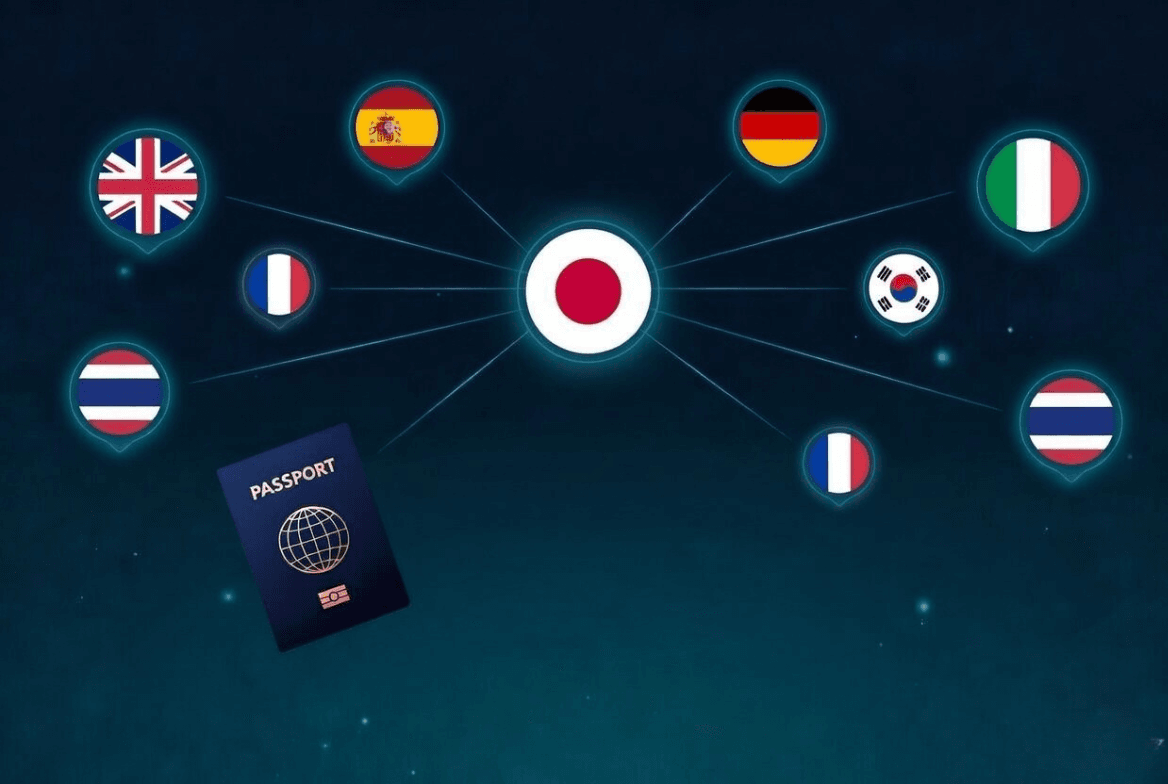
Multi-destination trips in 2026 demand smarter connectivity solutions. Roaming charges still drain bank accounts, and swapping physical SIM cards at every border creates unnecessary stress. eSIM technology cuts through this complexity, keeping you connected across countries without the hassle.
This guide shows you how to build an efficient multi-destination eSIM strategy that saves money and keeps you online wherever your travels take you.
Why Multi-Destination eSIMs Matter in 2026
International travel has bounced back hard, and multi-country trips are now standard rather than special. Your phone needs to work just as well in Bangkok as it does in Barcelona, whether you're island-hopping through Southeast Asia or conducting business across three continents.
eSIMs eliminate the core problem: staying connected across borders without physical cards or surprise bills. You buy, install, and activate data plans digitally, often getting online within minutes of touchdown.
The technology has hit its stride. Coverage now reaches 195+ countries, and regional plans let you cross entire continents with a single purchase.
2026 Device Compatibility
Today's flagship phones come built for eSIM flexibility. The iPhone 17 series handles multiple active eSIMs at once, while Samsung's Galaxy S26 lineup streamlines dual-SIM management. Google's Pixel 10 devices make switching between eSIM profiles nearly effortless.
Check your device's eSIM support before mapping your itinerary. Verify how many profiles it can store—most modern smartphones hold 8-10 eSIM profiles, though only 1-2 can run simultaneously.
Regional vs. Country-Specific Plans
Smart multi-destination planning hinges on knowing when to go regional versus individual country plans.
Regional plans shine for trips covering multiple countries within the same continent. Europe offers the strongest case here—plans starting at $4.99 cover the UK and continental Europe seamlessly. Travel from London to Berlin to Rome without switching plans or thinking about borders.
Country-specific plans work better for extended stays in one location or when regional coverage doesn't exist. They typically offer better value for longer visits and may include higher data allowances.
Your itinerary tells the story. A two-week trip through France, Germany, and Italy calls for one European regional plan. But a month in Japan followed by a weekend in South Korea? Separate country-specific plans likely make more sense.
The Never Delete Rule for Reusable eSIMs
Here's where most travelers mess up: they delete eSIM profiles after each trip. Don't do this. Modern eSIMs are built to be reused, and deleting them kills access to that plan forever.
Turn off the eSIM when you leave instead of deleting it. The profile stays on your device, ready for your next visit. This strategy delivers real benefits:
- Instant reactivation on return trips
- Preserved account history and settings
- Skip the entire setup process
- Top up plans remotely anytime
Keep profiles organized with clear names. Use formats like "Europe-2026" or "Asia-Pacific-Spring" so you can quickly identify which plan to reactivate.
Building Your Multi-Country Itinerary
Map your destinations first, then identify which regional coverage areas they fall into. Group countries under the same regional plan to maximize value.
A European grand tour works perfectly with one regional eSIM covering your entire journey. Buy the plan before departure, install it on your device, but wait to activate until you land. This guarantees immediate connectivity on arrival.
Complex itineraries spanning multiple continents need strategic planning. Buy regional plans for well-covered areas and individual country plans for standalone destinations.
Match data allowances to your actual needs. Business travelers running constant video calls need more data than leisure travelers using maps and messaging apps.
Cost-Effective Strategies
Smart eSIM planning beats traditional roaming by hundreds of dollars. Here's how to optimize costs:
Time your purchases around promotional periods. Many providers discount advance purchases or multi-plan bundles.
Right-size your data allowance for each trip segment. Don't pay for 10GB when you only need 2GB for a three-day city break.
Leverage reusable plans by topping up existing eSIMs instead of buying new ones for return visits.
Track your actual usage through your device's data monitoring. This builds better planning accuracy for future trips.
Managing Multiple eSIMs
Organization matters when juggling several eSIM profiles. Use your device's labeling features to identify each plan clearly.
Set up automatic switching rules where your device supports them. Some phones can automatically switch to the strongest signal or most cost-effective plan based on your preferences.
Track plan expiration dates and data allowances through your provider's app or account dashboard. This prevents surprise disconnections during critical moments.
Consider keeping one eSIM as your primary line for important communications while using travel eSIMs for data-heavy activities.
Destination Sim streamlines this entire process. Pick your country or region, select a data plan, and receive your eSIM QR code via email within 5 minutes. Scan the code to install the eSIM and get online immediately. Their prepaid, reusable plans can be topped up anytime through your account.
FAQs
- How many eSIMs can I store on my 2026 smartphone?
Conclusion
Multi-destination travel in 2026 doesn't require connectivity headaches or shocking phone bills. Smart eSIM planning keeps you connected across 195+ countries while controlling costs and complexity.
Prioritize regional plans where they make sense, never delete your reusable eSIM profiles, and take advantage of instant delivery and setup that modern eSIM services provide. Your multi-country adventure deserves seamless connectivity from start to finish.
Learn more at destinationsim.com.
주제 가이드
eSIM 작동 원리로 돌아가기다음 글
관련 가이드
How to Install eSIM QR Code: The Complete 2026 Step-by-Step Guide
How to install an eSIM QR code in 2026: what you need before you start, step-by-step setup on iPhone (iOS 19/20) and Android (16/17), manual SM-DP+ entry when scanning fails, activation and data settings, dual SIM benefits, troubleshooting, and FAQs—no carrier store visit required.
eSIM Profiles and Storage Explained: How Many Can Your Phone Hold? (2026 Guide)
Your phone can store many eSIM profiles, but only a few can be active at once—and each device has a storage cap. This guide explains eUICC storage vs dual active eSIM, 2026 limits for popular phones, how frequent travelers should manage profiles, why reusable eSIMs save slots, and why you should never delete profiles without support.
Switching eSIM Profiles While Traveling: The 2026 Guide
By 2026, switching eSIM profiles on iPhone 17 (iOS 20), Samsung S26 (One UI 8.0), and Pixel 10 (Android 16) is routine—if you know the steps. This guide walks through switching profiles on each platform, using DSDS for 2FA, why you should never delete a profile while traveling, and how reusable eSIM profiles reduce juggling across trips.